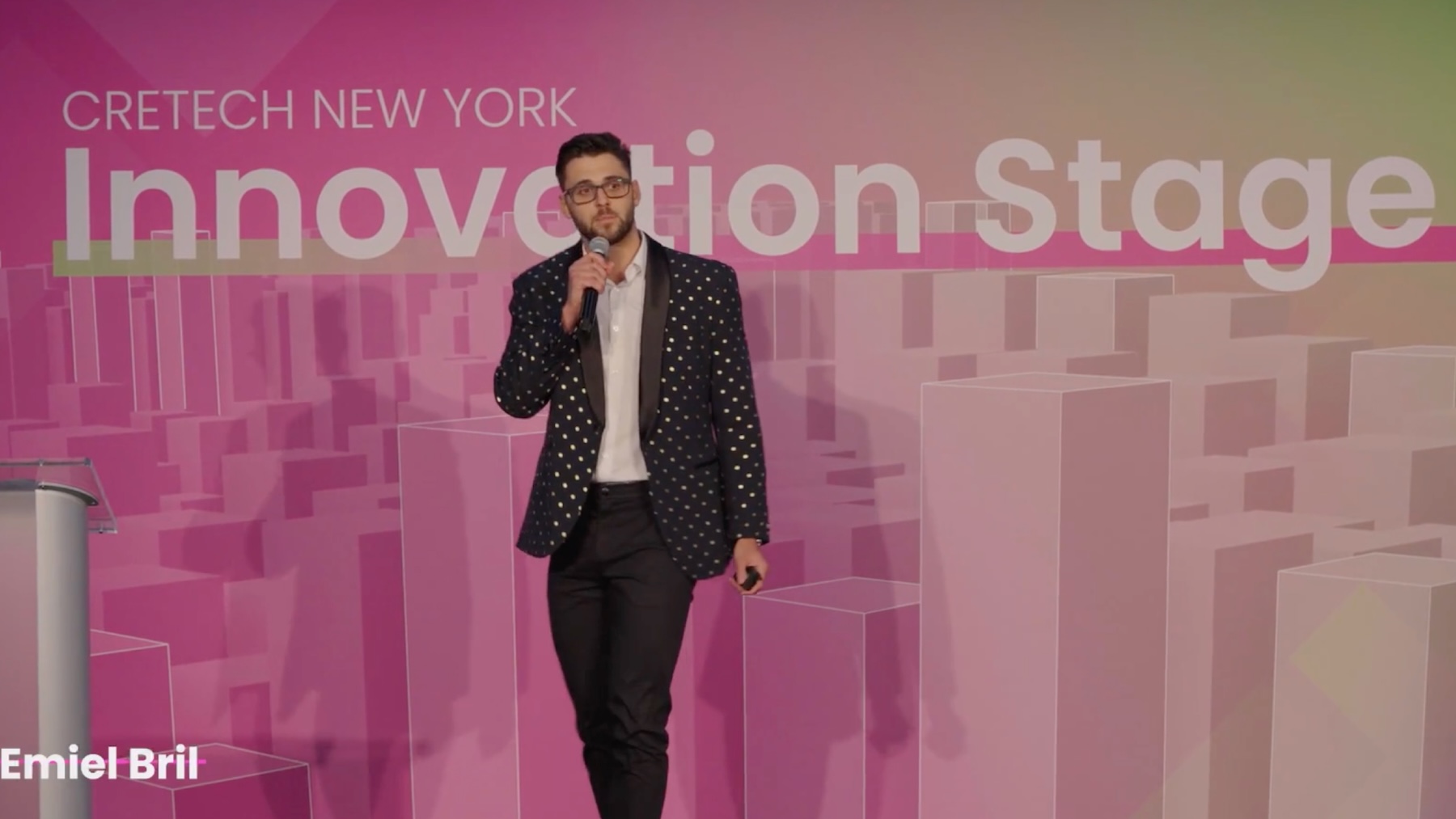
In this interview, VendorPM Co-Founder and CEO Emiel Bril speaks with Eric Brody, Founder and Principal at capital advisory firm ANAX Real Estate Partners. Eric not only invests in innovative technologies but also integrates them into his own proprietary tools, driving impactful change in both real estate and construction.
With nearly two decades of experience in New York City's mid-market multifamily sector, Eric has established himself as a thought leader at the forefront of the PropTech space. He is also the host of the Real Tech Talk podcast, exploring the latest trends and technologies that are reshaping construction and real estate.
Read on for Eric’s perspective on the evolving landscape of the industry.
It’s been quite the journey. I started out as a builder-developer in the mid-market space. There’s a saying that people don’t change until their daily challenges become overwhelming, forcing them to take a leap. That’s exactly what happened. After facing a major setback in development, I began researching PropTech companies and realized there might be a strategic advantage in technology.
We launched ANAX, raised a venture fund and started a podcast to build an ecosystem and stay at the forefront of tech innovation. We now use technology in capital advisory, connecting those in asset-backed real estate transactions with capital providers—driven by a lot of behind-the-scenes tech. We’ve also integrated technology into our development and construction operations.
The first was my father, an architect. He steered me toward becoming a builder-developer and that advice became a cornerstone for me. I immersed myself in construction, using it as a way to break into the industry, and gained an edge by mastering it with a focus on development. With a strong understanding of both construction and development, I was able to raise capital and began developing assets in New York.
The second was my business partner who brought me on board during the 2008 recession to leverage my development experience. We grew to about $100 million in annual revenue, constructing large buildings in Brooklyn and Manhattan. Then the pandemic hit, bringing challenges that forced us to pivot. We even lost an asset to foreclosure. That pushed us to redefine ourselves, which is still evolving today.
We own a few assets, so I’ve seen firsthand how technology is impacting property management. Cloud-based management systems that allow tenants to interface with property managers and report service issues are transformative. On the tech side, IoT solutions and computer vision are enabling better building maintenance and security. These innovations help owners understand how their buildings operate, improving both management and tenant experiences.
We’re paying close attention to these advancements, especially as traditional companies in the field face competition from new tech-driven entrants. This is also crucial in development and capital advisory, where creating tech-enabled workflows and enhanced tenant experiences can give you an edge, potentially driving higher returns.
That’s a common problem. Real estate has traditionally been slow to adopt new technology because legacy owners are already making money, so the incentive to change is low. My advice is to start small. Prove the value of your solution by showing how it increases net operating income (NOI). You need to enter like a virus—introduce a small change that doesn’t disrupt their entire system. Once they see the benefits, they’ll be more open to further innovation.
It’s essential to remember who you’re dealing with—don’t overlook the human aspect. Instead of expecting people to immediately adapt to the tech, meet them where they are. Understand their current position, then guide them toward the new solution you’re aiming for.
Founders often think they need to change the entire ecosystem, but that’s not realistic. The key is to focus on one small, specific problem you can solve better than anyone else. If you can show immediate value that’s how you’ll get in the door.
And don’t forget your audience. Real estate owners are cautious so you have to bring it back to the business. Does it make them more money? Show them.
I always invest in the person, not just the idea or the pitch. Sometimes, when someone’s speaking, you can tell they’re just going through the motions.
I’m looking for true grit: a person who faces their insecurities head-on and is aware of their own limitations. This kind of person doesn’t have all the answers, but they’re constantly searching for them. And if the answer doesn’t come today, they know it might tomorrow.
That’s the hardest part: doing the work without knowing if it will succeed. It’s difficult, but it’s that level of commitment and persistence that makes the difference.